
Craft & Construction
How Downproof Construction Helps Prevent Feather Leakage
A practical explanation of fabric, needle selection, seam design, filling and quality controls for quilted down and feather garments.
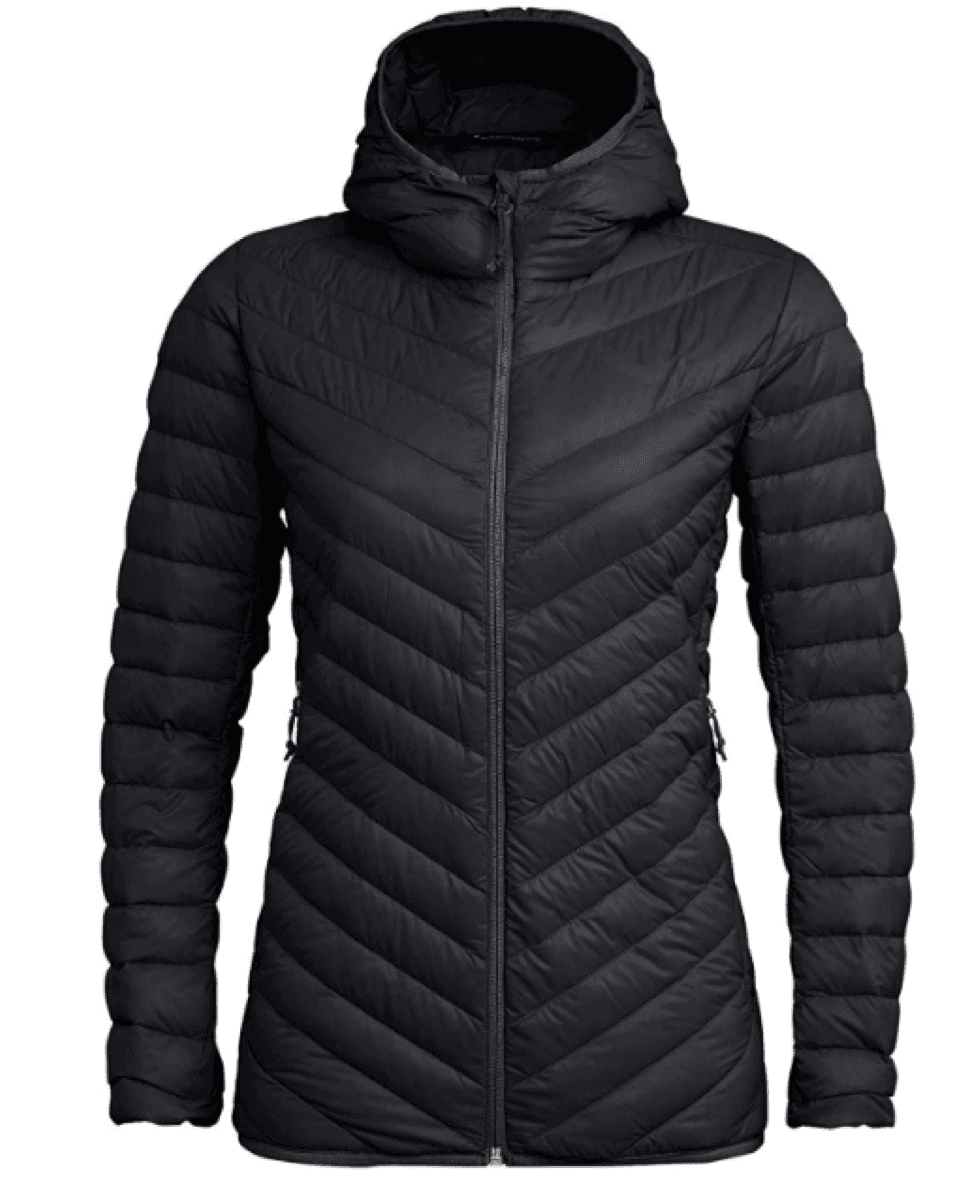
Feather leakage can follow several paths
Visible fibre or feather escape is not always caused by the same problem. Filling can work through the fabric structure, migrate through stitch holes, escape at seam ends or appear when loose fibres remain on the garment after filling. Identifying the path is essential before changing the material or process.
The acceptable level should be discussed with the buyer because natural filling contains a range of components and very fine fibres. A realistic quality plan combines material selection, controlled construction and agreed inspection rather than promising that no fibre can ever appear.
Start with a fabric developed for the filling system
A downproof fabric uses an appropriate structure and finish to limit migration while maintaining the required weight, hand feel and air permeability. Lightweight fashion fabrics and durable outdoor shells may reach that balance in different ways.
Test the production colour and finish, not only an initial development swatch. Dyeing, coating, calendaring and washing can influence the final structure, so material approval should reference the exact quality intended for bulk production.
Needle, thread and seam settings must work together
An unnecessarily large needle or damaged point can create openings that encourage migration. Stitch density, thread size, seam allowance and machine condition also influence the result. The correct settings should be established through production trials on the approved material stack.
High-risk areas include quilting lines, pocket corners, baffle joins and repeated back-tacking. Construction teams should reduce unnecessary perforation and keep seam paths controlled without weakening the join.
Filling control protects consistency and cleanliness
The specification should identify the filling quality, fill weight and distribution by panel or garment. Controlled weighing and clean filling practices help avoid overfilled channels, uneven appearance and loose material trapped around openings.
After filling, closures and filling points must be secured according to the approved construction. Garments should be cleaned before inspection so that surface fibres from the production environment are not confused with leakage from inside the product.
Build a downproof quality plan before bulk production
Agree the test method, conditioning, acceptance criteria and sample frequency during development. Combine laboratory or controlled movement testing with inspection of actual garments from the line.
- Approved shell and lining references for every colour
- Needle, thread and stitch settings recorded after trials
- Fill quality, panel weights and tolerance
- Inspection of quilting, seam ends and filling closures
- Cleaning, conditioning and leakage-test procedure
Official references
Standards and regulatory information can change. Confirm the latest edition and applicable requirements for your product and market.