Sourcing Guides
The Complete ODM Development Process for an Emerging Outdoor Brand
From the first commercial brief to bulk inspection, this is the information an emerging brand should prepare at each ODM development stage.
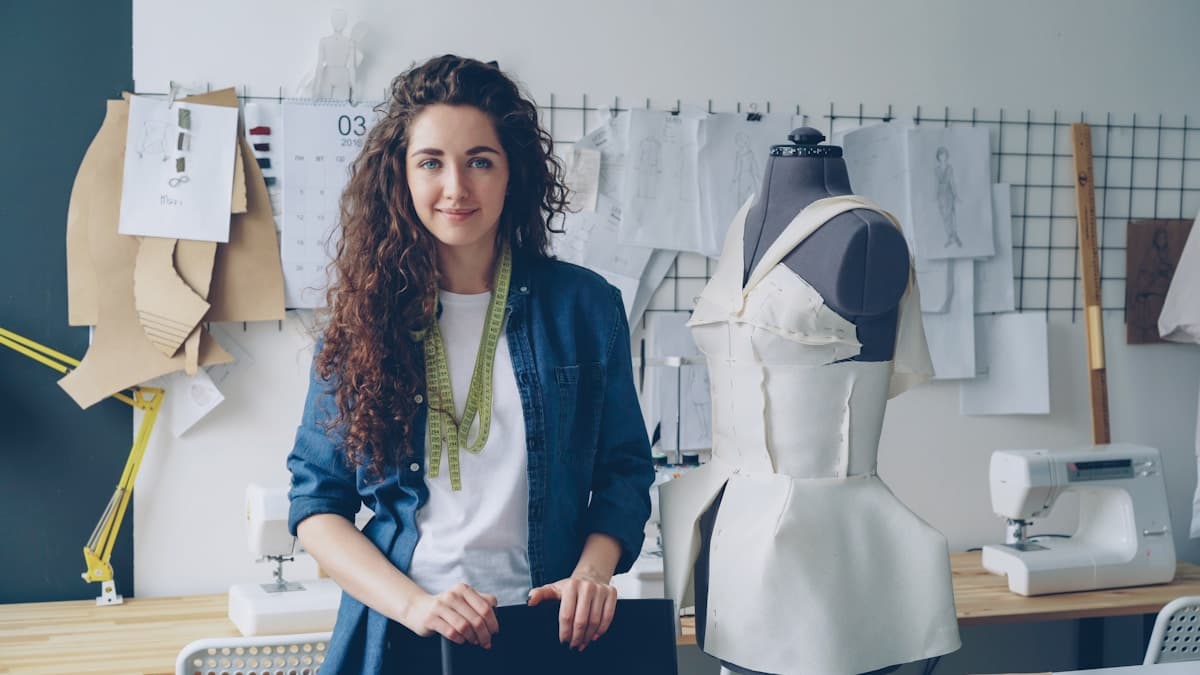
Stage 1: turn the idea into a commercial brief
An ODM project can begin from a moodboard, reference garment or supplier style, but it still needs a commercial direction. Define the target customer, retail price, sales market, launch window and expected order range before discussing detailed features.
This information helps the development team decide where to use proven construction and where customization creates real value. It also prevents the project from becoming a collection of expensive features without a clear product position.
- Product category and intended activity
- Target retail and purchase price range
- Launch market and delivery window
- Initial quantity and repeat-order expectation
Stage 2: align design, material and colour direction
The factory can propose an existing block or development style as the technical starting point. The brand then confirms silhouette, feature priorities, colour direction and branding placement. At this stage, every requested change should be checked against cost, minimums and development time.
Material selection should compare physical swatches and technical reports. Confirm face fabric, membrane or coating, backing, finish, colour standard and care expectation as one package. A fabric code alone is not enough when several finishes or suppliers are available.
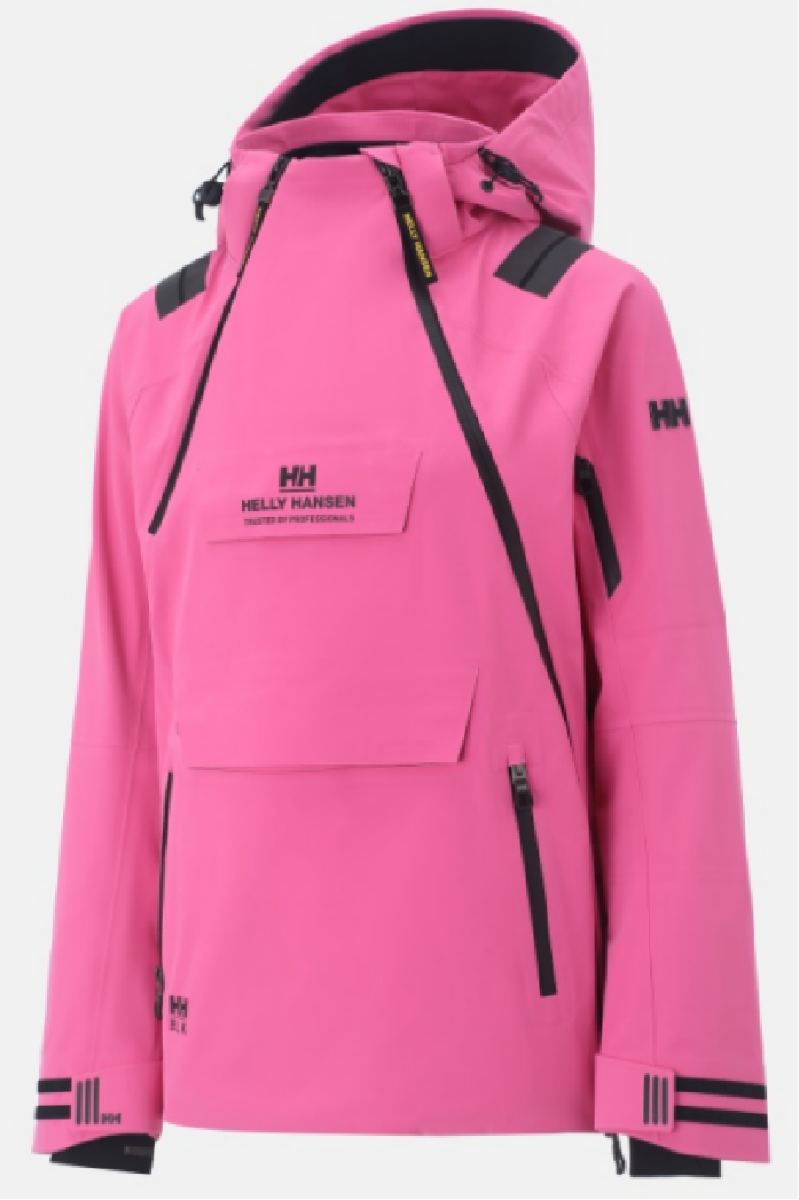
Stage 3: use a controlled sample sequence
The first sample verifies proportion, construction feasibility and the main feature set. Later samples should close fit, materials, colour, trims and branding in a recorded order. One consolidated comments sheet is more effective than separate feedback across email, chat and annotated photographs.
Not every project needs the same number of rounds. A style based on a proven block may move quickly, while a new fit or complex technical shell needs more validation. Agree which sample represents the final reference for bulk production.
Stage 4: freeze the specification before bulk production
Before material booking and cutting, close the bill of materials, graded measurement chart, workmanship notes, labels, packaging and test plan. Confirm that the approved sample and technical pack describe the same product.
A pre-production meeting should identify critical operations and inspection points. For technical outerwear, that may include seam-tape settings, zipper installation, insulation distribution, waterproof tests or measurement checks after finishing.
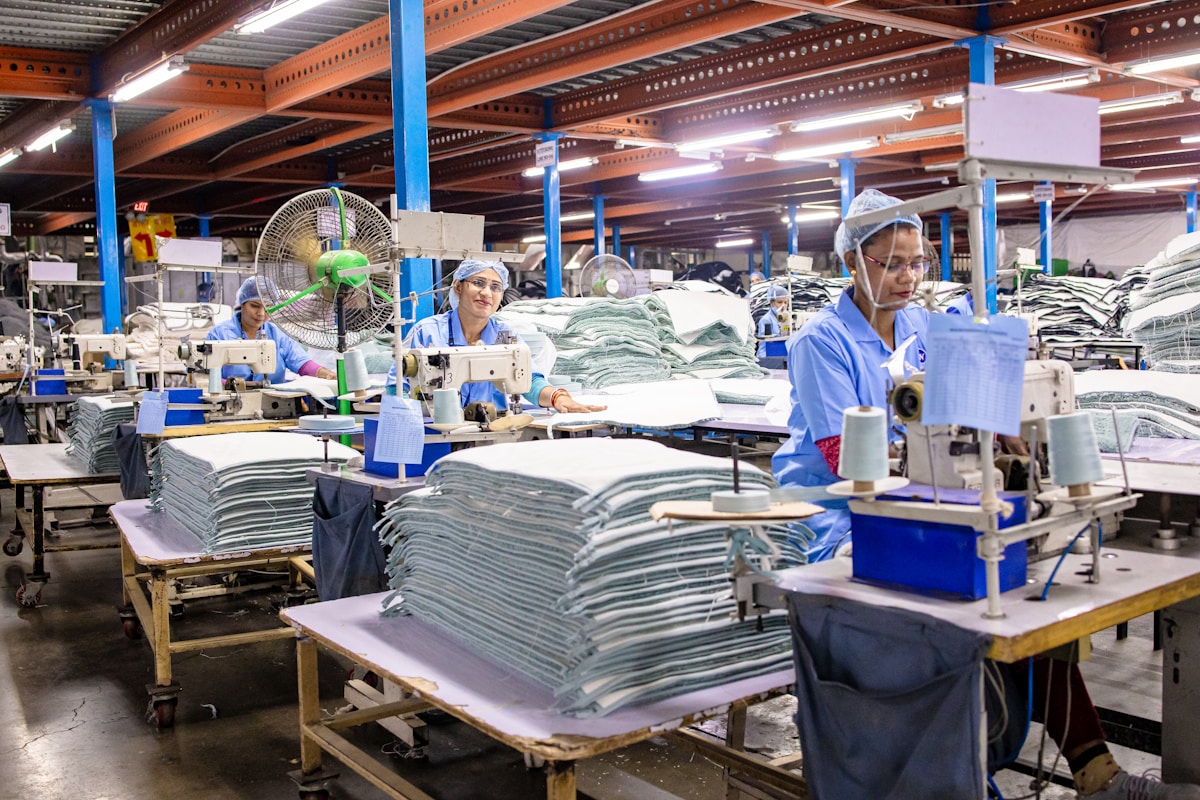
Stage 5: keep quality and delivery evidence visible
Bulk quality control should connect incoming materials, inline checks, end-line inspection and shipment approval. The brand should know which reports will be provided and who can approve a deviation if production results differ from the specification.
After delivery, retain the final specification, colour standards and approved samples for repeat orders. A well-organized first programme becomes a reusable product platform rather than a one-time development exercise.
ODM does not mean an unstructured process
Creative flexibility works best when commercial decisions, approvals and responsibilities remain traceable from brief to shipment.