
Craft & Construction
Fully Seam-taped Hard Shell vs Standard Shell Construction
How seam protection changes the material package, sewing process, quality controls, price and intended use of an outdoor shell jacket.
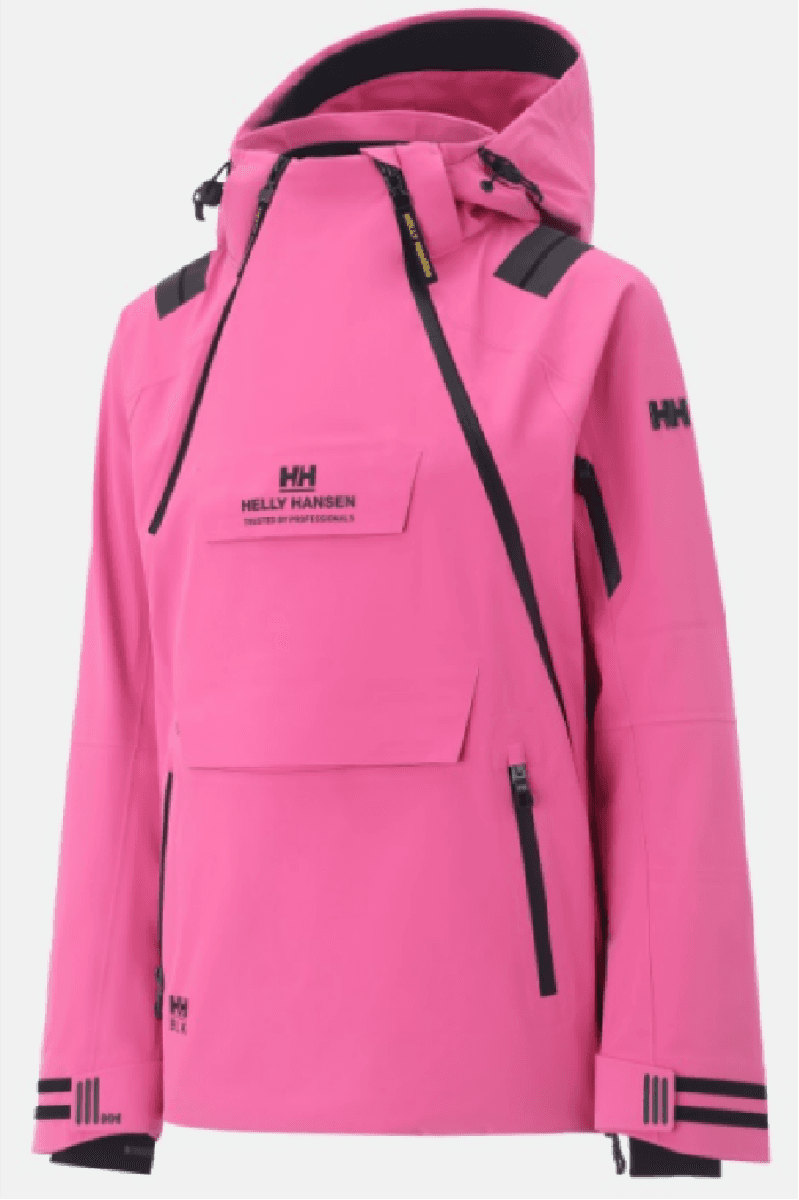
What seam taping actually does
Sewing joins garment panels but also creates needle holes. Seam tape is applied over selected sewn joins on the inside of a compatible material system to reduce water entry through those holes. It is one part of weather-protective construction, not a substitute for a suitable shell fabric or well-designed openings.
A fully seam-taped jacket covers all specified structural seams, while a critically taped style protects only selected high-exposure areas. A standard shell may use no tape at all and focus instead on wind resistance, light showers or everyday comfort.
Tape, fabric and seam design form one system
Tape selection must match the fabric backing, coating or membrane, seam bulk and care conditions. Application temperature, pressure and speed also depend on the material combination. A tape that works on one fabric cannot be assumed to work on every colour, finish or laminated structure.
Pattern and seam design matter because curves, intersections and bulky joins are harder to cover consistently. Development should identify difficult areas early and confirm them through trials before the full order enters production.
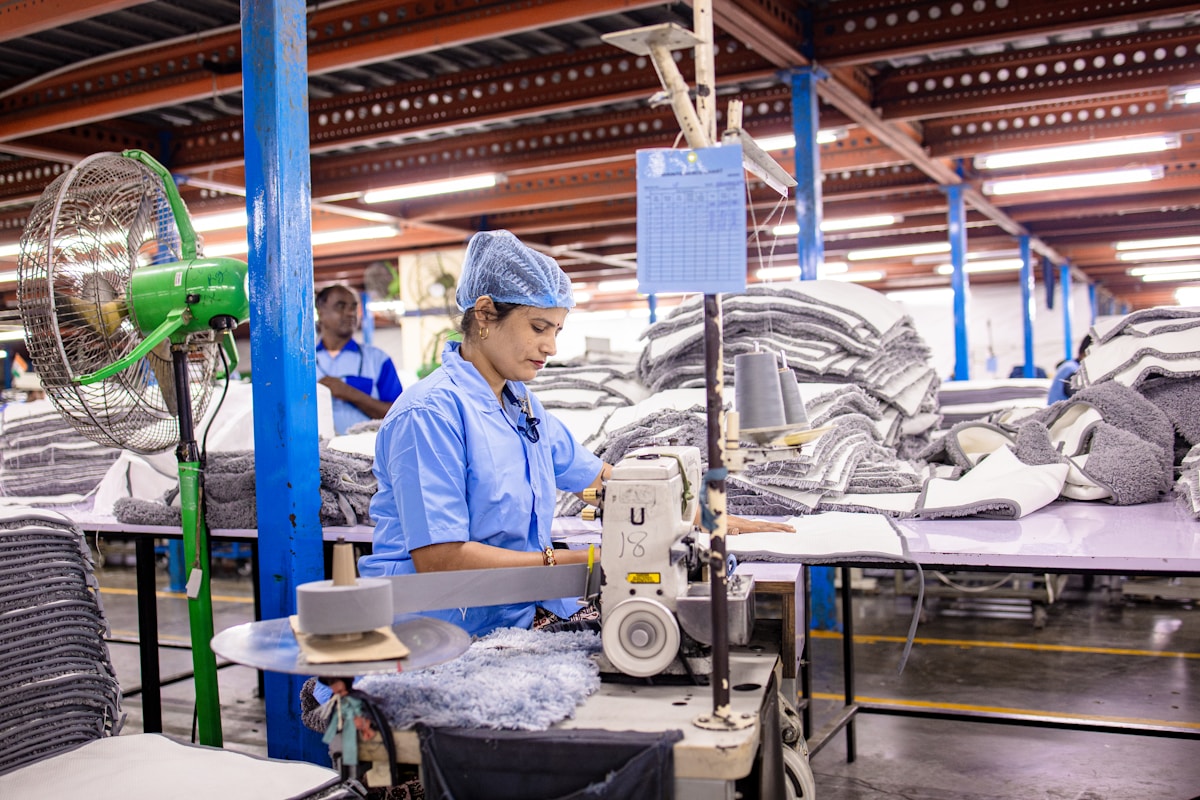
The correct construction depends on the end use
Full seam taping adds operations, equipment time, inspection and material cost. It is appropriate when the product brief requires a stronger rain-protection claim, but it may be unnecessary for a casual wind shell or a price-sensitive uniform layer.
Breathability, weight and hand feel should also be considered. The best specification is not automatically the most complex one; it is the construction that supports the intended claim and can be repeated consistently at the target price.
Useful quality checkpoints for taped seams
Visual inspection should look for alignment, wrinkles, lifting, gaps and contamination. Development and bulk teams also need an agreed method for checking adhesion and water resistance. The plan should state the sample frequency and the decision process if a result falls outside the approved range.
- Approved tape and fabric combination
- Recorded machine parameters for critical materials
- Coverage at curves, corners and seam intersections
- Adhesion review before and after agreed care treatment
- Garment-level water test where required by the brief
Choose the protection level before requesting a quote
State whether the garment needs full taping, critical taping or conventional seams, and connect that choice to an intended use and test plan. This gives suppliers a comparable basis for costing and avoids adding weather-protection claims after construction has already been approved.
Buyer question
Ask for a seam map with the quotation so that every supplier is costing the same protection level.
Official references
Standards and regulatory information can change. Confirm the latest edition and applicable requirements for your product and market.